

How to Make Pool Water Safe? – Professional Advice on Using Chlorine and Other Chemicals
Swimming in your own pool offers great comfort. However, to ensure maximum enjoyment from your pool, proper maintenance is essential. Pool maintenance involves several aspects. The correct use of chemicals is particularly important in this process to prevent health-related problems and extend the pool’s operational lifespan.
If the water is not properly maintained, mechanical contamination will be accompanied by the proliferation of algae and harmful microorganisms. Chemical methods of water treatment are crucial for maintaining the highest possible water quality.
Aqualine, a leading company in the Georgian market operating since 2006 and having completed numerous private and commercial pool projects, advises on how to use chemicals safely. The goal is to ensure water safety without posing a threat to human health. According to Aqualine, there are four main chemicals for pools that require adherence to specific usage rules:
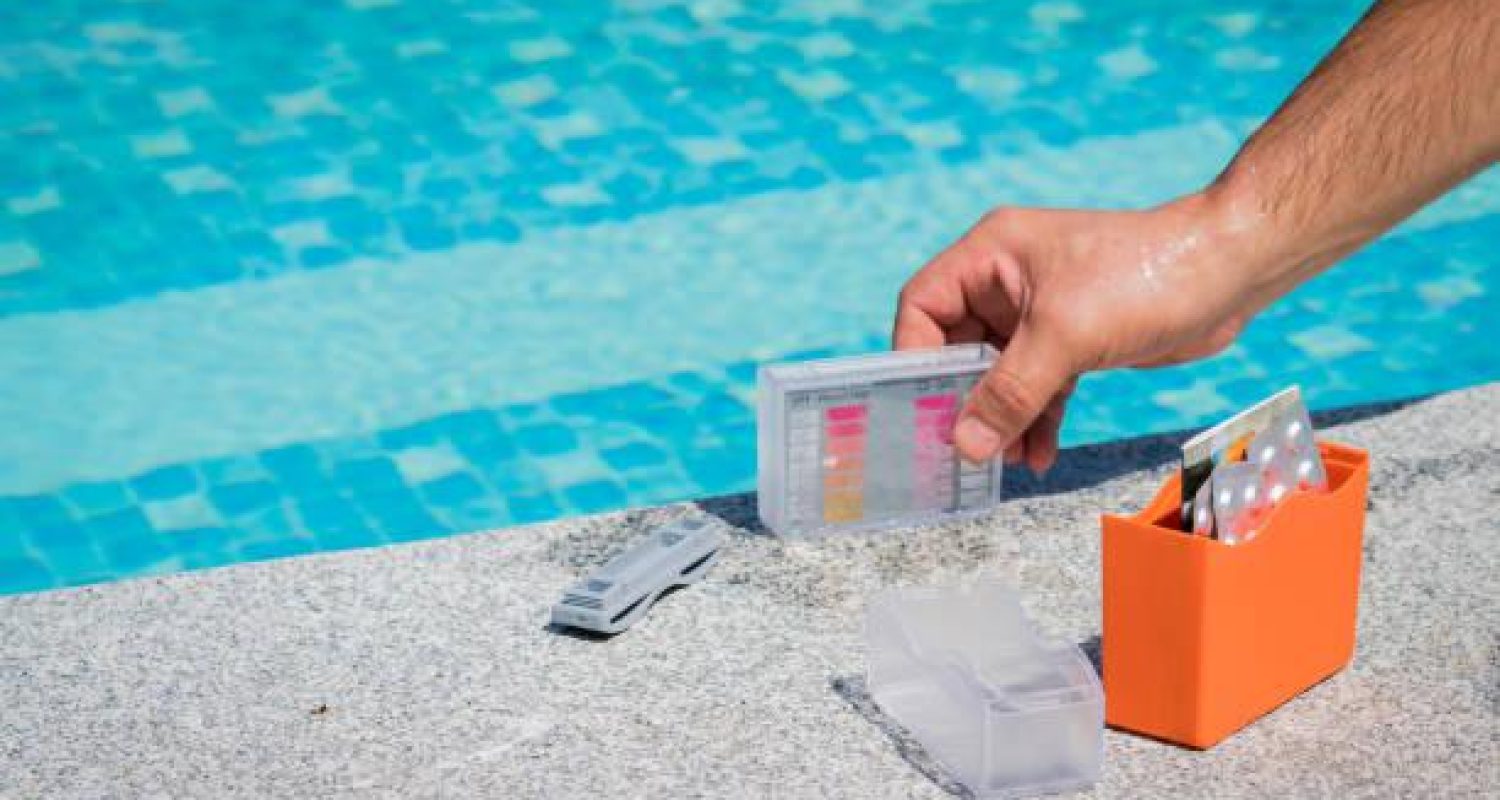
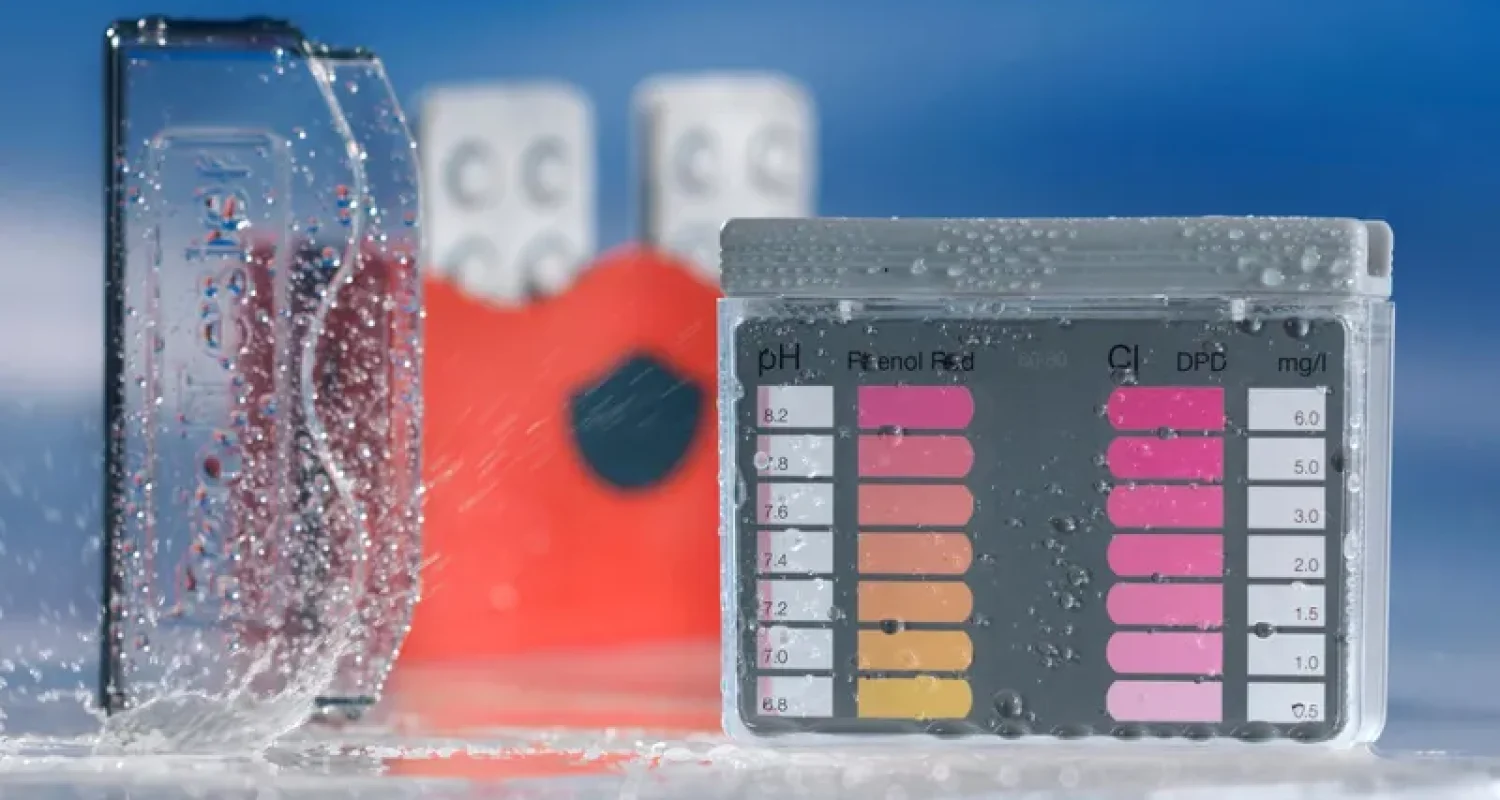
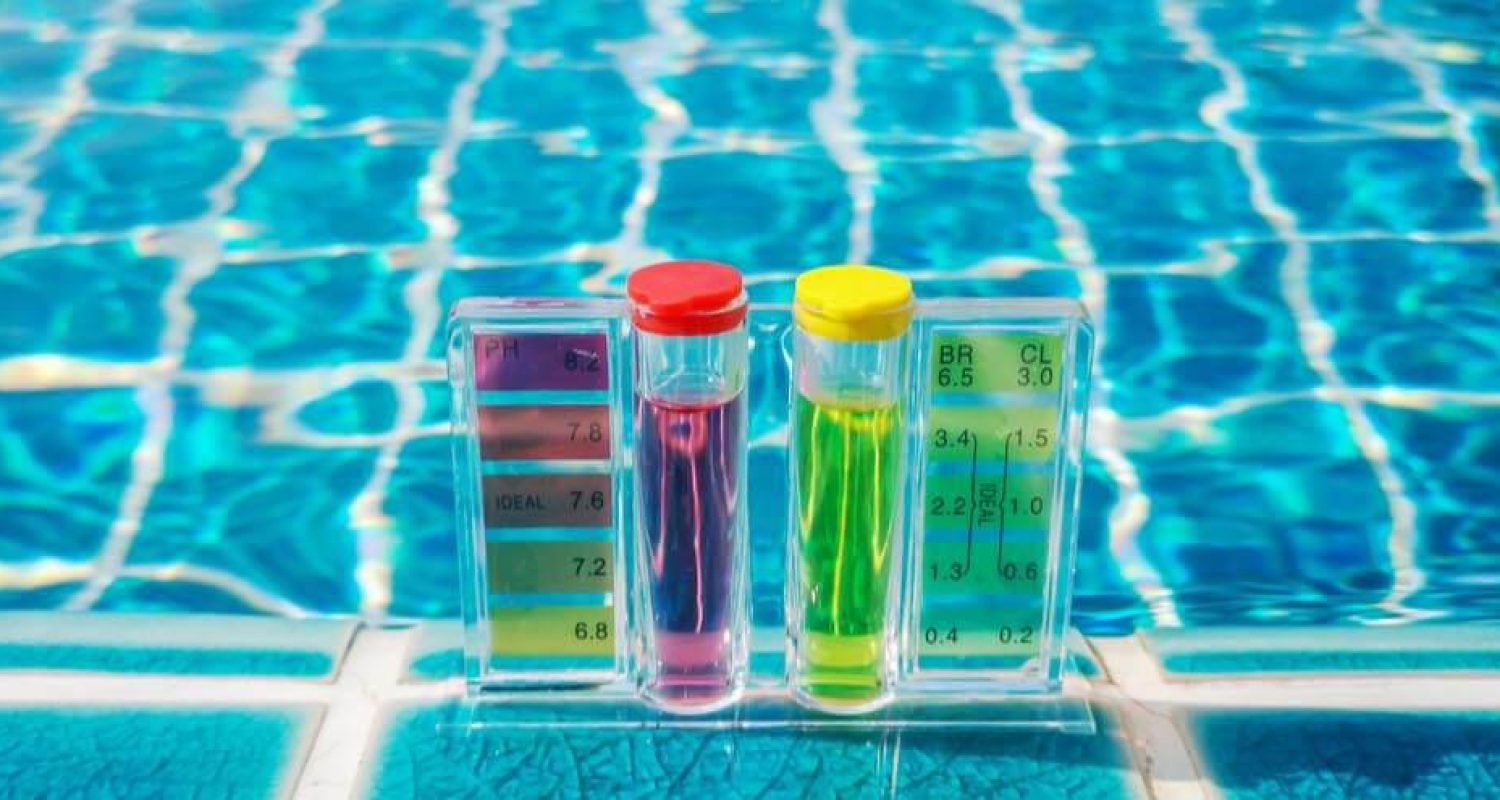
- Immediately after filling the pool, the water’s pH, or acid-alkaline balance, must be corrected. The pH level should be between 7.2 and 7.4. If the level is inappropriate, the pool walls and equipment can be damaged, and skin irritation may occur. If the pH level is not adjusted correctly, other chemicals, including algicide and chlorine, will not function effectively. In such cases, users may face health risks.
- Chlorine disinfects, helps maintain water quality, and combats bacterial growth. Shock chlorination of the water is necessary once a month, after which entry into the water is prohibited for one day. A certain level of chlorine must always be maintained in the water for its quality and the safety of users.
- The fourth essential chemical for pools is flocculant, which ensures water clarity. It binds fine particles present in the water, causing them to settle at the bottom, which also aids in pool cleaning.
It is crucial to use high-quality chemicals. Otherwise, they may cause harm instead of benefit. European-made products, such as German ones, which meet the highest quality standards, are available on the Georgian market. Turkish chemicals are also of high quality and, due to production costs, are relatively cheaper, yet almost on par with European products in terms of quality.
When using chemicals, always remember that the quantity required for the pool is completely safe for health. However, improper storage, mixing, or incorrect dosing can pose a danger. They should be stored in a specially designated area, out of reach of children, and protected from sunlight.
Here’s another tip from Aqualine for those allergic to chlorine or who simply dislike its smell: instead of chlorine, water disinfection can be done with so-called liquid oxygen. In this case, the water is completely safe and has no specific odor. However, even with this method, shock chlorination of the water is still necessary once a month.